

The Big Picture
Emotional disorders like PTSD, anxiety, and depression, along with alcohol use disorder, profoundly affect lives, and stress is a common thread that drives them. Our lab studies the specific brain cells that switch on during stress, how alcohol changes these cells and their circuits, and how this dysfunction could serve as a marker for diagnosing and treating these disorders.
Think of baseline cognitive testing in athletes. A concussion is easier to diagnose and treat when doctors can compare an athlete’s scores after an injury to that athlete’s own healthy baseline. In the same way, we envision mapping each person’s brain activity during stress, so that after trauma or an alcohol use disorder diagnoses, a new map could be compared to their baseline to guide tailored treatment. Our preclinical work lays the foundation by pinpointing stress- and alcohol-sensitive circuits that can become targets for clinical imaging like MRI, and by uncovering the genetic and molecular signatures of these cells to guide new medications.
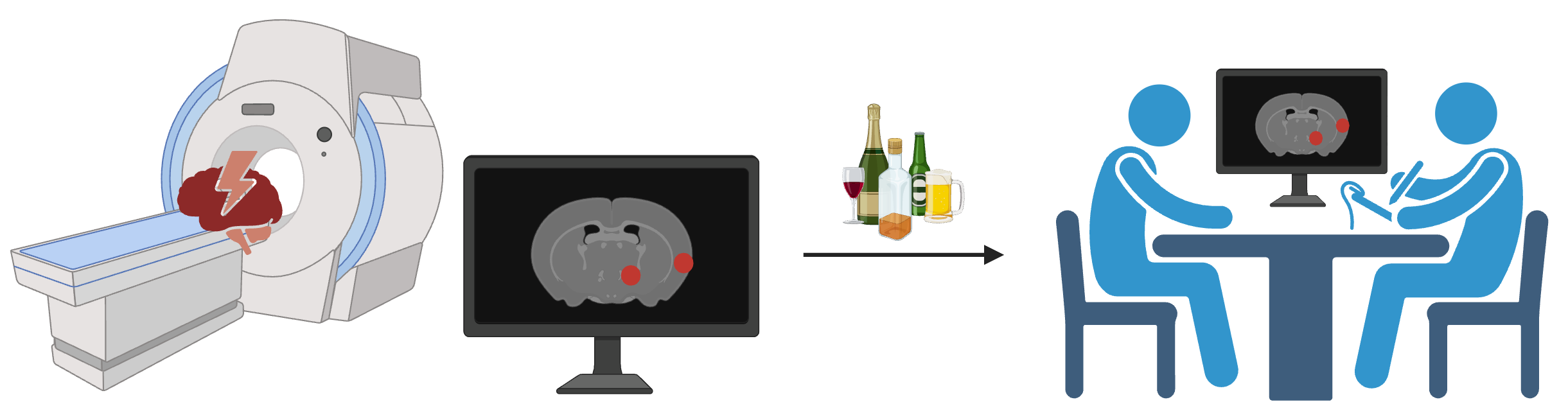
From a baseline brain map to tailored treatment.
Research Directions
- Examining the impact of stress on subsequent drinking behavior and emotional regulation
- Examining in vivo neuronal activity in the insular cortex at various timepoints before, during, and after stress and chronic alcohol drinking
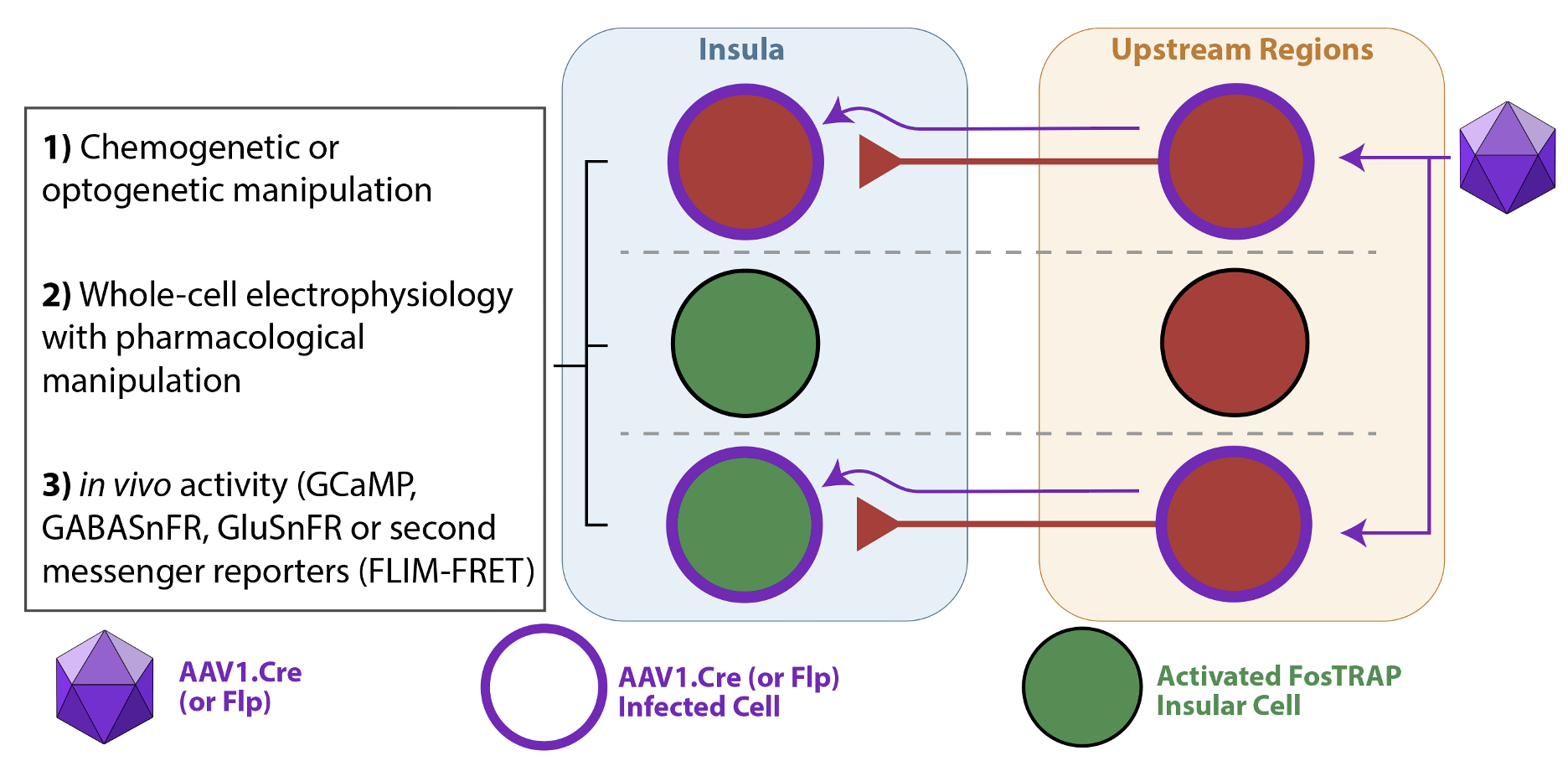
- Mapping upstream control networks that functionally influence insular activity. We are currently studying inputs from basolateral amygdala and primary somatosensory cortex.
Funded Projects
National Institute on Alcohol Abuse and Alcoholism (NIAAA) R01
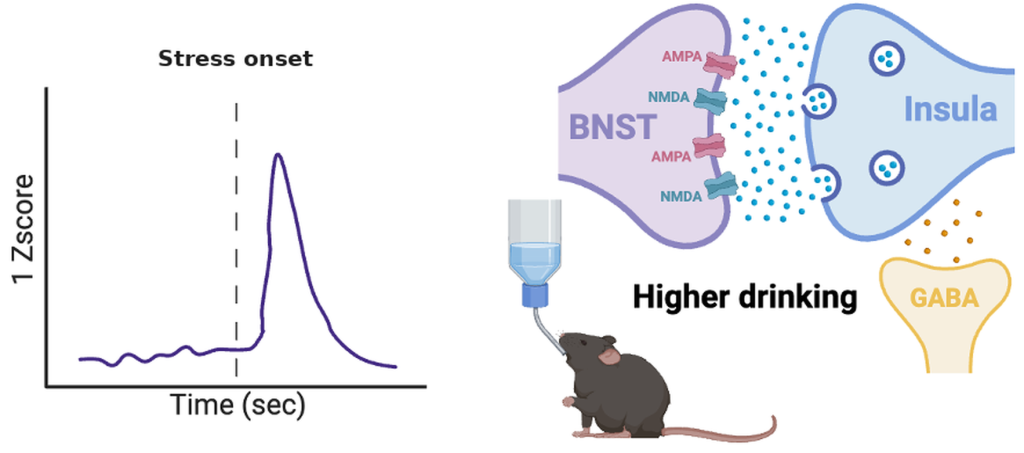
Why do certain individuals progress from casual alcohol use to alcohol use disorder (AUD) while others do not? This project addresses this question using preclinical models to examine stress and alcohol induced adaptations in the network linking the insular cortex to the bed nucleus of the stria terminalis (BNST), a critical hub for AUD-related behavior. We will determine the role of this pathway in driving two key elements of AUD, compulsive-like drinking and hyperkatifeia (heightened negative emotional states) during abstinence.
Whitehall Foundation Research Grant
Stress is a regular part of our lives, yet the fundamental neurocircuitry recruited while experiencing this distinct behavioral state is unclear. Genetic and circuit-based strategies are on a converging path, with new advanced techniques now conducive for isolating circuit-specific genetic targets and monitoring real-time circuit activity. Identifying distinct stress circuit biomarkers has the potential to facilitate early detection and intervention of stress-related disorders. This project will provide unparalleled insight into fundamental neurocircuitry engaged by stress. With innovative strategies like whole brain circuit mapping with light sheet microscopy, dual color fiber photometry, optogenetics, and transcriptomics this project will isolate, characterize, and manipulate circuit and genetic signatures of stress within a BLA->insula->BNST circuit.

Errett Fisher Foundation
Daryl and Marguerite Discovery Award in Biomedical Research

Progress towards optimizing diagnosis, prevention, and prognosis of stress-related disorders has been limited. To address this, we need to identify measurable biomarkers that can predict stress-related disorders before they manifest. Indeed, previous success in pre-disease diagnoses and risk assessment with conditions like diabetes and heart disease provides a hopeful precedent. However, mental health conditions involve complex overlapping dysfunctional patterns that complicate pinpointing cause and effect. Circuits are the basic functional units that encode behavior. Delineating the complex dysfunctional circuitry of affective disorders begins with understanding the basal stress response circuitry. This project uses a novel preclinical genetic knock-in mouse model, FosTRAP2, to “tag” and gain genetic access to stress-activated neuronal ensembles in the insula and manipulate these neurons using innovative chemogenetic strategies.
Wake Forest CTSI Translational Research Pilot Award
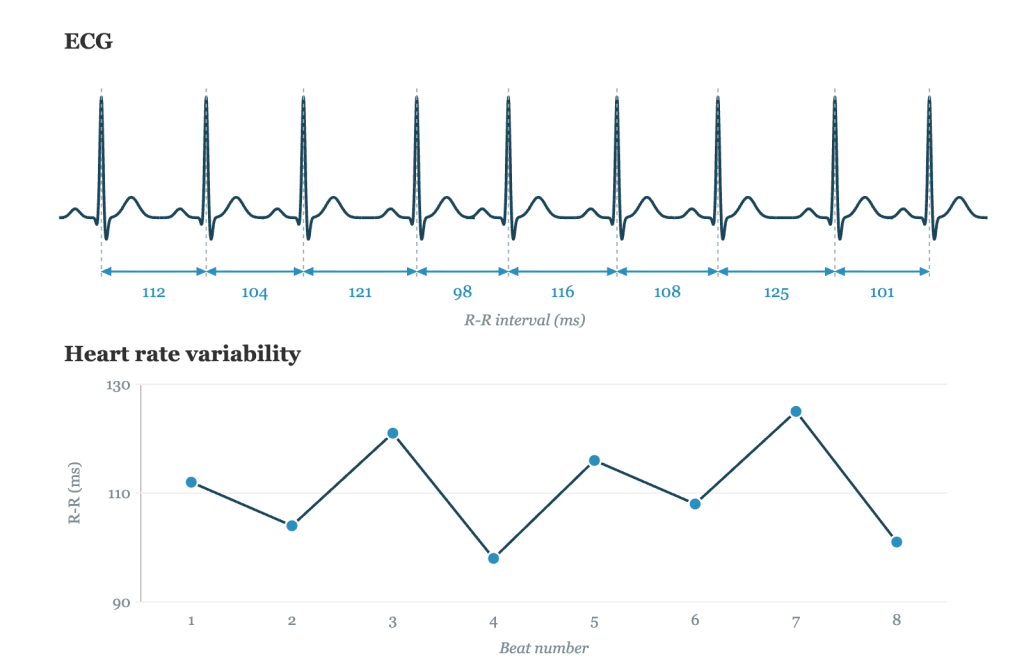
Cardiac Autonomic Function and Mid-Insula Circuit Dysregulation in Traumatic Stress. This interdisciplinary project brings together neuroscience, cardiovascular physiology, and biostatistics to understand how mid-insula circuits interact with autonomic control of the heart after traumatic stress. Using scalable, translational measures such as heart rate variability, recorded alongside insula circuit activity, the project lays the foundation for circuit-based biomarkers that could support individualized diagnosis and treatment of stress-related disorders. Co-funded by the Wake Forest Cardiovascular Sciences Center and the Hypertension and Vascular Research Center.